
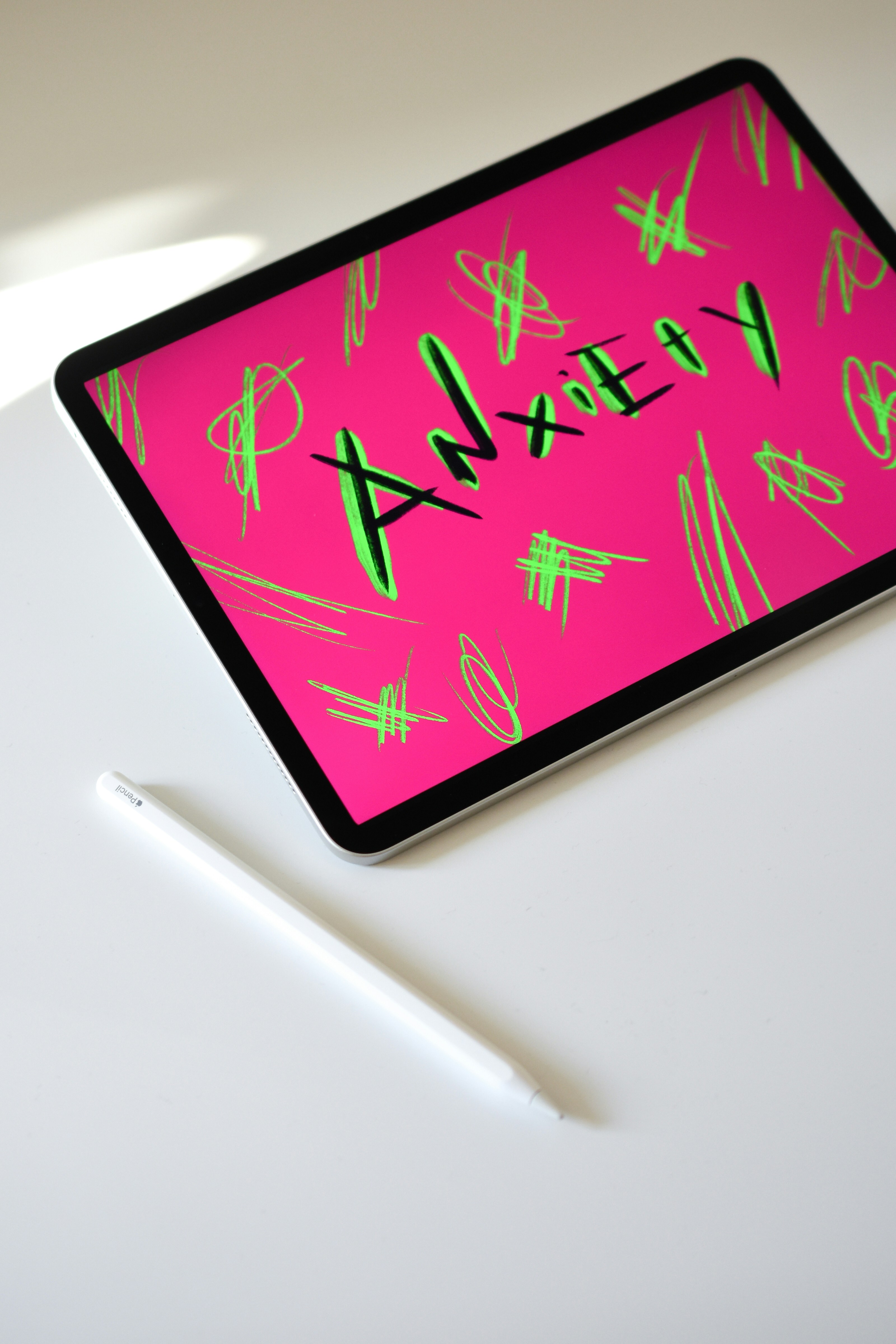
Defining Stress and Anxiety
Stress and anxiety are terms often used interchangeably, but they represent distinct experiences that affect our mental well-being. Stress is usually a response to an external trigger, such as challenges at work, family responsibilities, or financial pressures. It manifests as feelings of tension and pressure, often exacerbated by a perceived lack of control over the situation.
Identifying Causes
On the other hand, anxiety is more internalized and can persist even in the absence of stressors. It may arise from a complex blend of genetic, environmental, and psychological factors. While stress tends to be temporary, anxiety can be chronic, often leading individuals to experience excessive worrying or panic attacks.
Symptoms and Coping Strategies
The symptoms associated with stress include fatigue, irritability, and difficulty concentrating, whereas anxiety may present itself through restlessness, increased heart rate, and avoidance behavior. Coping strategies for managing stress might involve time management or setting boundaries, whereas addressing anxiety often requires a multifaceted approach, including therapy, medication, and relaxation techniques.
Understanding the difference between stress and anxiety is crucial for effectively managing our mental health. Recognizing these differences can empower individuals to seek appropriate help and adopt healthier coping mechanisms.