
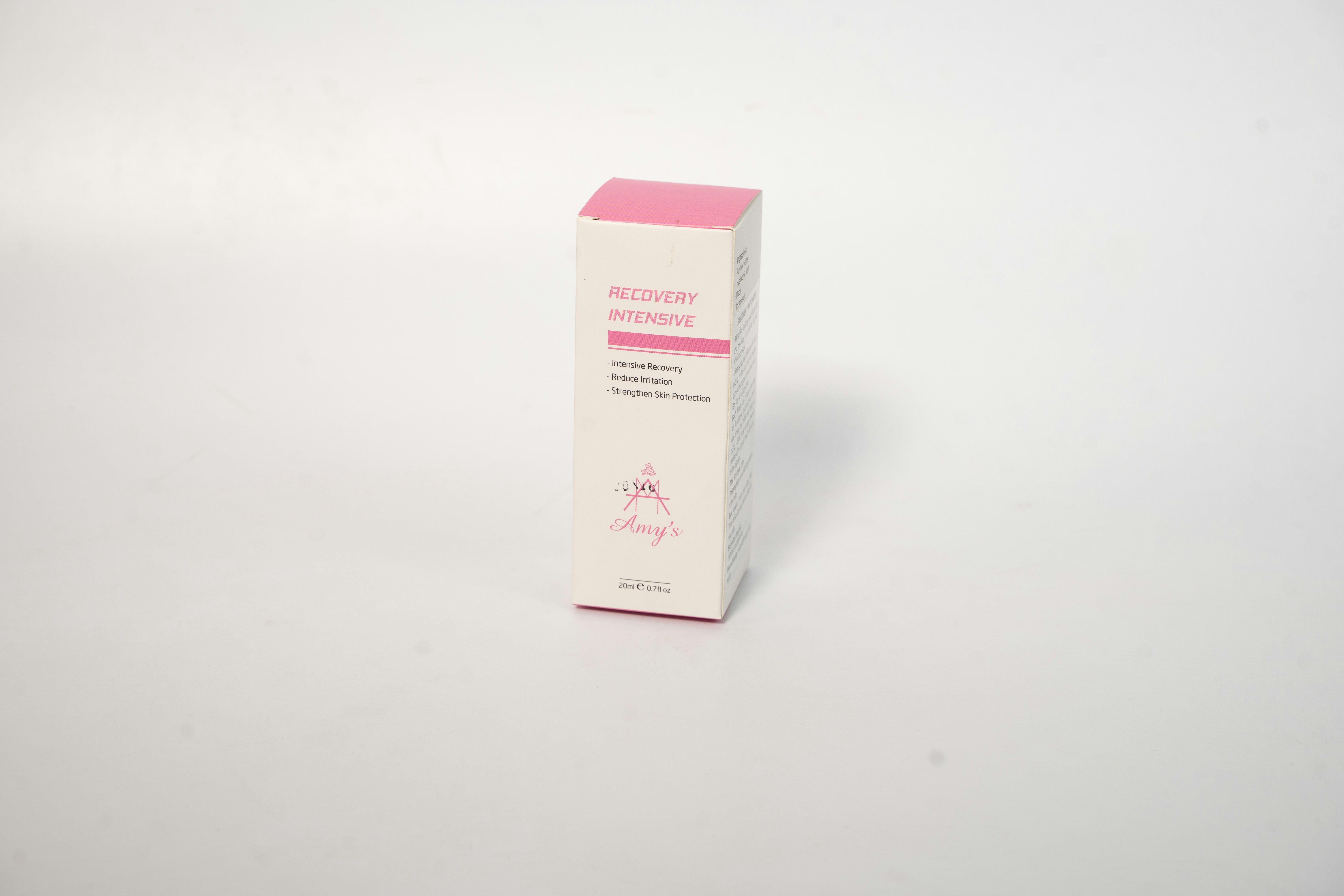
Understanding Over-Exfoliation
Exfoliation is an essential part of any skincare routine, but excessive exfoliation can lead to a damaged skin barrier. This can result in dryness, irritation, and increased sensitivity. Recognizing the signs of over-exfoliation is crucial in addressing the issue effectively.
Steps to Repair Your Skin Barrier
1. Cease Exfoliation: The first step in fixing a damaged skin barrier is to stop all exfoliation. This allows your skin to heal without further irritation. Temporarily switch to a gentle cleanser.
2. Hydration is Key: Focus on hydrating your skin with a moisturizer that contains soothing ingredients like hyaluronic acid, ceramides, or glycerin. These components help to restore moisture and support your skin’s natural barrier.
3. Consider Barrier-Repair Ingredients: Look for products enriched with niacinamide and antioxidants. These can help in replenishing the skin’s barrier and promoting healing.
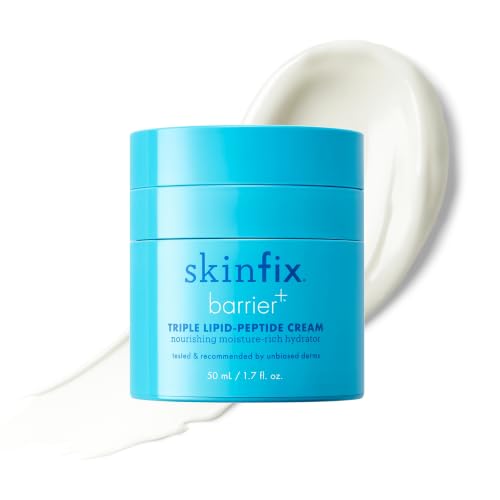
- BARRIER+ TRIPLE-LIPID PEPTIDE CREAM – This moisturizer—powered by clinically proven ingredients like ceramides and pepti…
- CLINICAL RESULTS – Clinically proven to deliver glowier (+26%), smoother (+29%), and firmer (+12%) skin after 4 weeks. 1…
- INGREDIENTS – 3% Triple Lipid Complex mimics skin’s barrier to lock in moisture. 3% Peptide Solution to weightlessly hel…
Preventing Future Damage
Once your skin has recovered, it’s essential to establish a balanced skincare routine. Limit exfoliation to once or twice a week and always follow up with hydration. Paying attention to your skin’s needs will help prevent future damage and maintain a healthy skin barrier.
By taking these steps, you can effectively repair a damaged skin barrier from over-exfoliation and achieve a more radiant complexion.